
Japan felt like the natural choice for my research exchange. A former collaborator had spent time at the National Institute of Informatics (NII), my master's supervisor was from Japan, and some friends were doing their PhDs in Tokyo.
I grew up watching Japanese anime but had never been to Japan. By then, it had also been five years since I had returned to China, because of the pandemic and other circumstances. With restrictions lifting, the exchange gave me a chance to live in Japan and finally take a trip home.
So in March 2023, I left Stockholm for Tokyo.


Everything was going according to plan (計画通り).
I studied a little Japanese shortly before leaving. I still could not read much when I arrived, but kanji and context often gave me enough to guess. That usually got me through shops, train stations, and menus.
A friend in Sweden knew someone who ran a restaurant in Japan, and they helped arrange my accommodation. It was about ten minutes from NII by bike.
My days soon settled into a loop. I worked on multimodal generation at NII, went to the gym, browsed the second-hand shops in Akihabara, and went home. I rarely had anything particular in mind when I visited Akihabara. I was happy just looking around.
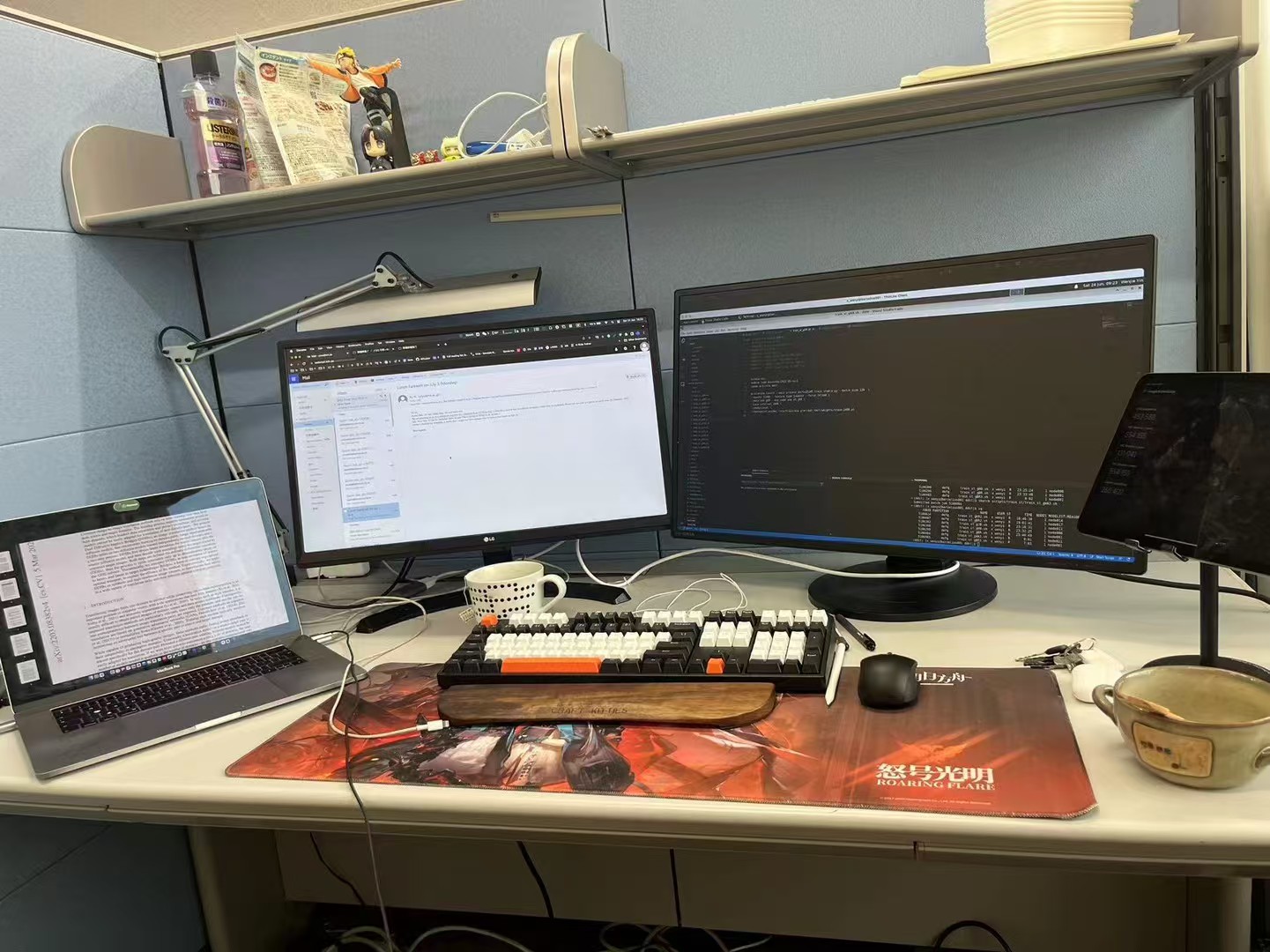
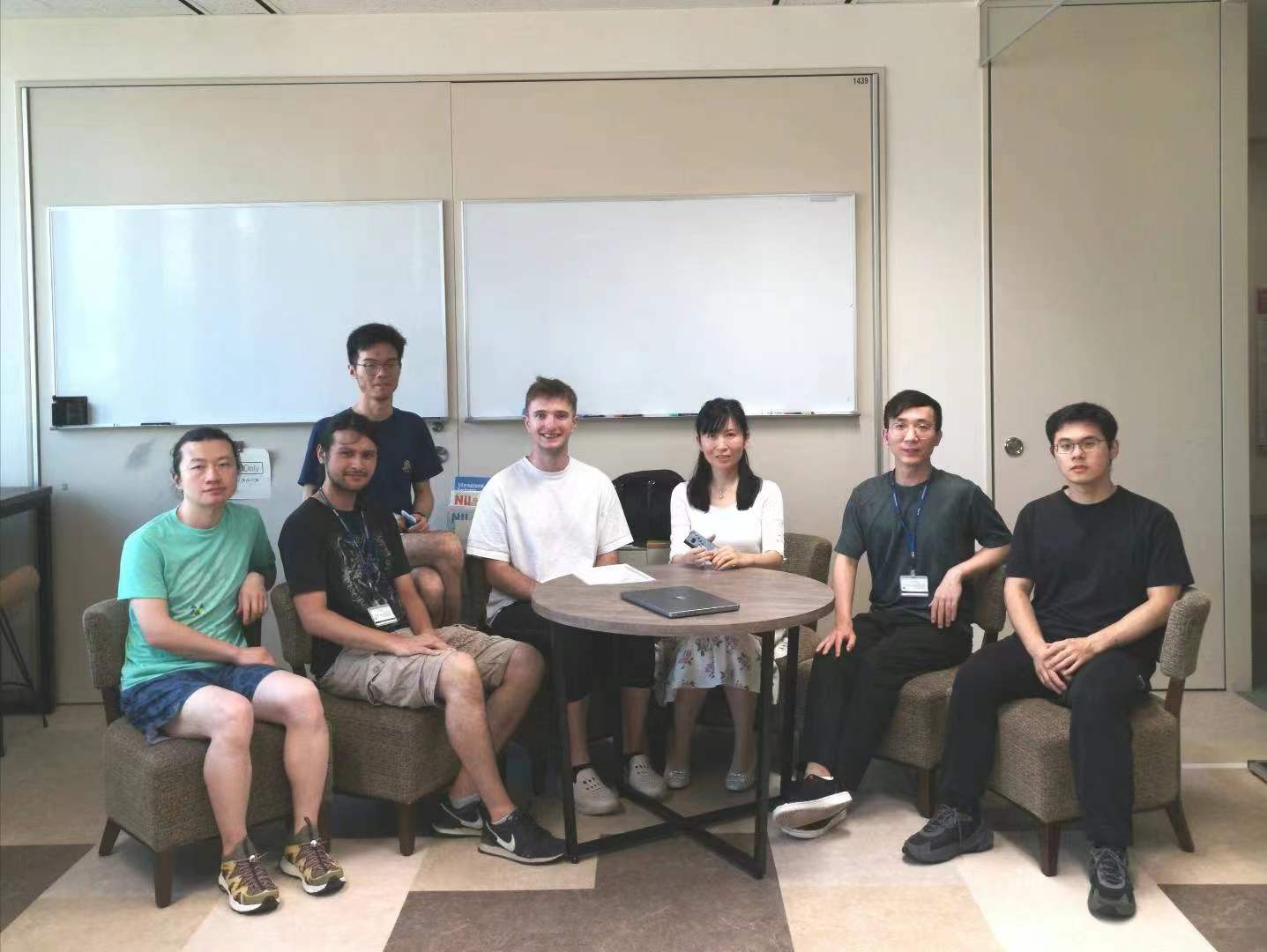

After enough visits, Akihabara stopped feeling like a destination. It was simply another familiar stop between the lab, the gym, and home.
Tokyo was very different from Stockholm at night. Stockholm was quiet and many places closed early. In Tokyo, I could leave the lab or gym late and still find a meal without planning ahead. I got used to that quickly.
I travelled elsewhere in Japan as well. Kyoto was quieter than Tokyo, and some streets felt more like an old town. Even so, the routine days in Tokyo are what I remember best.
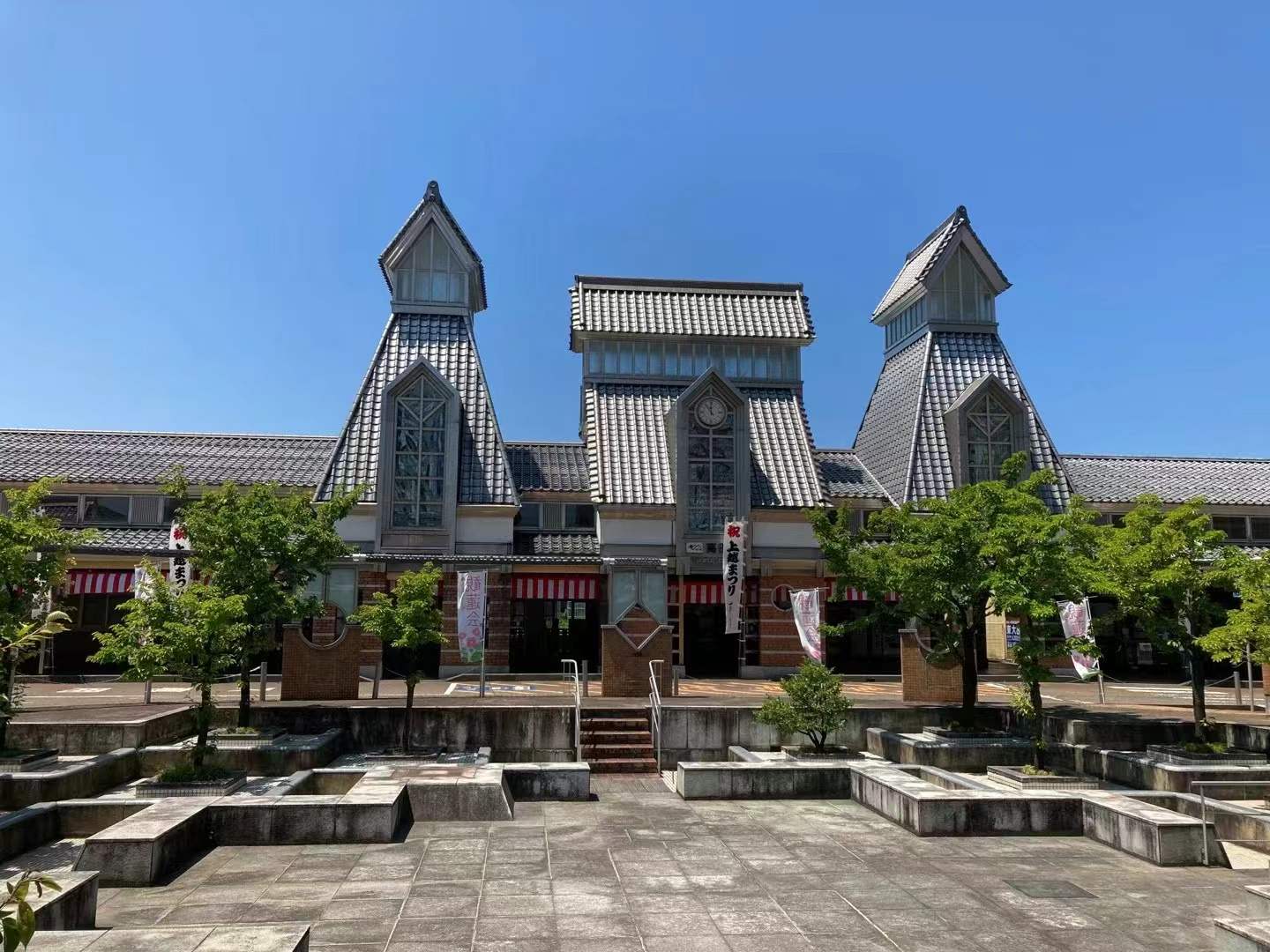

After six months, Tokyo no longer felt like somewhere I was visiting. I enjoyed its convenience and late nights, but by August I was ready to return to the quiet, uneventful pace of Stockholm.